
Windows might feel like a tiny line item when you’re planning a custom home in Tucson. Right up until you step into a room at 4 p.m. in July. Glazing choices matter in Southern Arizona. A lot. Heat gain, glare, fading, comfort, and even how “quiet” your home feels all trace back to what’s happening in that thin layer of glass.
At Sanctuary Custom Construction, we design desert sanctuaries with the climate in mind from day one. Here’s how we think about windows in Tucson, and which Tucson window strategies help a home stay bright, comfortable, and built for your lifestyle.
Why Tucson Windows Need a Different Game Plan
Tucson sunlight is gorgeous. It’s also relentless.
When clients ask us about the best windows for Tucson homes, they’re usually trying to solve one (or more) of these problems:
Rooms that feel hotter than the rest of the house
Harsh glare that makes a great view hard to enjoy
UV exposure that fades floors, art, and furniture over time
The “greenhouse” effect on big walls of glass
The fix starts with smart glazing and gets even better when paired with the right orientation, shade strategy, and installation details.
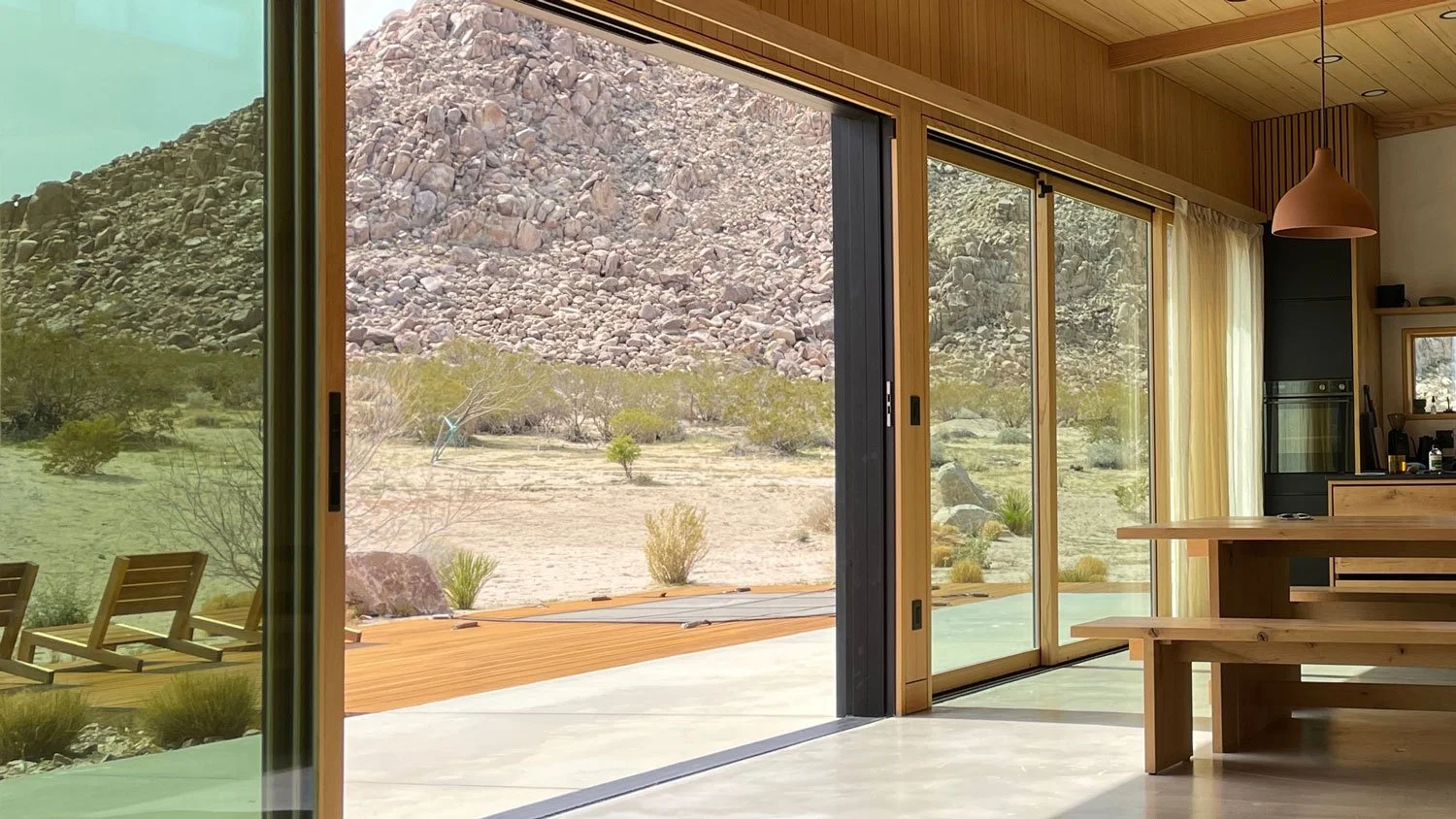
Glazing Choices: Where Comfort Really Starts
Glazing is the glass package itself: panes, coatings, gas fills, and the way the layers are assembled. If you only remember one thing, make it this: in Tucson, the glass should be chosen for heat control first, then tuned for the look and feel you want.
Low-E Coatings: Your First Line of Defense
Low-emissivity (Low-E) coatings are designed to reduce unwanted solar heat while still letting in natural light. For heat gain control, these coatings are often the biggest leap forward compared to basic glass.
We look at Low-E options based on where the window is going. South, west, and southwest exposures typically need more aggressive solar control. North-facing glass can often be a little more “open” to daylight because it receives less direct sunlight.
SHGC, U-Factor, and Visible Light: The Trio That Guides Decisions
Window labels come with numbers that look technical, but they map to real-life comfort.
Solar Heat Gain Coefficient (SHGC): lower generally means less heat coming through.
U-factor: lower generally indicates better insulation performance.
Visible Transmittance (VT): higher usually signals more daylight.
We balance these so you’re not stuck living in a dim cave just to stay cool. The goal is a home that feels calm and naturally lit without the afternoon heat spike.
Double Pane vs. Triple Pane in the Desert
For many new homes in Tucson, a well-designed double-pane package with the right Low-E coating and gas fill performs beautifully. Triple pane can make sense in specific cases, especially when we’re targeting a quieter interior feel or pushing efficiency goals in a more exposed location.
It’s a project-by-project call, and it depends on the overall building envelope, shading, and how you plan to live in the home.
Gas Fills and “Warm Edge” Details
Argon gas fills and improved spacers reduce heat transfer through the window assembly. These aren’t flashy upgrades. You won’t brag about them at a dinner party, but you will feel the difference when you’re sitting near the glass and the room stays steady.
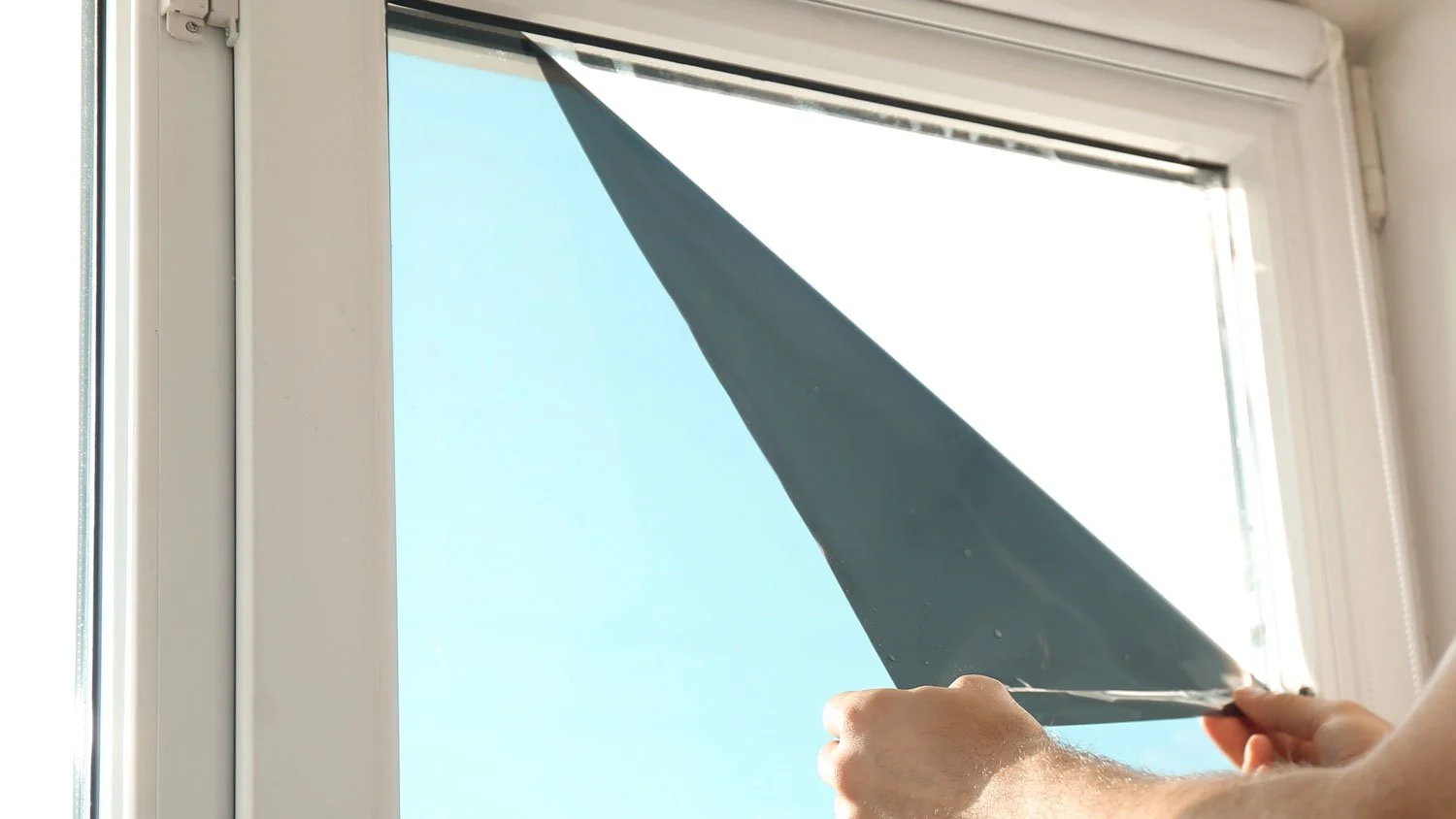
UV Protection: Saving Floors, Art, and Textiles
People usually think of UV protection as a comfort issue. In reality, it’s also a preservation issue.
In luxury homes in Tucson, we often see wide-plank wood floors, custom cabinetry, curated art, and high-end fabrics. UV exposure can fade or discolor those materials over time. The right glazing package can significantly reduce UV transmission while still keeping that natural desert light.
If you love the idea of big glass and clean sightlines, don’t panic. You can keep the views and protect what’s inside.
Design Moves That Make the Glass Work Harder
Great windows do their job best when the architecture supports them. This is where custom home builders in Tucson can separate “pretty on paper” from “comfortable every day.”
Orientation and Placement
We look at where the sun hits the home throughout the year, then place and size windows accordingly. West-facing glass is the usual troublemaker. Sometimes the solution is better glazing. Sometimes it’s changing the proportions, adding a recess, or shifting the opening to capture light without taking the full hit.
Overhangs, Recesses, and Shading
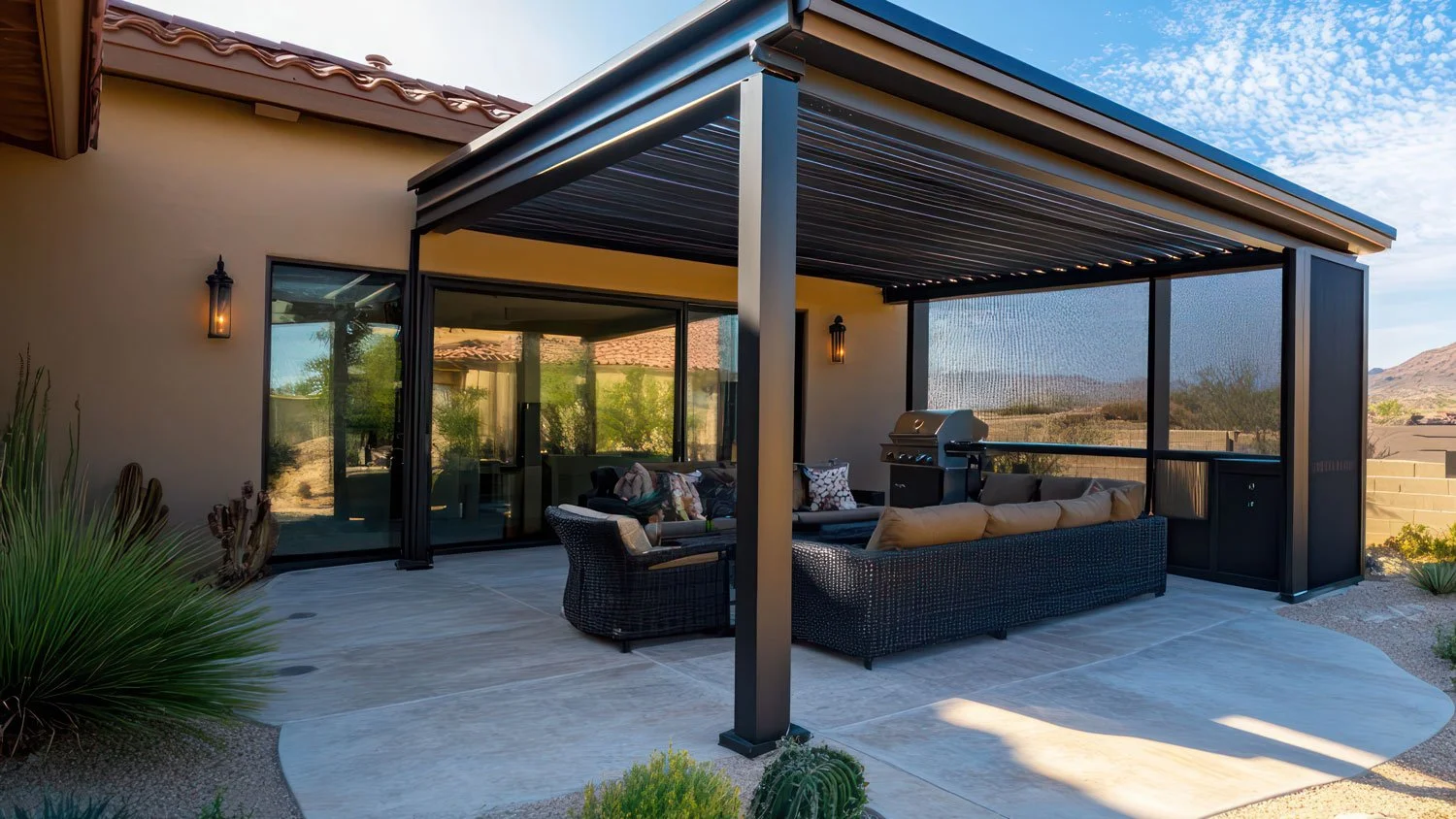
Deep overhangs, covered patios, and recessed window details can cut direct sun dramatically. They also add that architectural depth that feels timeless in desert modernism.
Interior Comfort Details
For some spaces, we’ll consider laminated glass for improved sound control, or specific glazing choices that reduce glare in media rooms, studies, and bedrooms.
Comfort is personal. The window plan should be too.
Common Mistakes We Help Clients Avoid
A few patterns show up again and again in conversations:
Choosing glass based on looks alone. The tint that feels “clean” at noon can still let in a lot of heat at the wrong exposure.
Treating every side of the home the same. In Tucson, each orientation needs its own strategy.
Forgetting installation. Even the best window can underperform if flashing, sealing, and integration with the wall system aren’t handled with care..
Planning a Custom Home in Tucson? Let’s Talk Windows Early.
If you’re in the early stages of designing a home, window choices are worth addressing sooner than you think. The right decisions support everything that comes next: indoor-outdoor living, comfort, material longevity, and the quiet confidence of a home that handles the desert with ease.
Explore our approach to custom homes and the full design-build process.
When you’re ready, we’d love to help you map the right glazing choices, UV protection, and heat gain strategy for your lot, your architecture, and your lifestyle.
Call us or get a quote today.